


From farm to plate: Helping Aussie kids connect the dots as new research shows growing disconnect
By Jessica Dempster
A new survey of just over 500 Aussie children has revealed a growing disconnect between kids and an understanding of where their food a comes from, a trend Australian education advocate and author Simone Kain says should be a wake-up call for greater food and fibre education.
The research, commissioned by Norco, found that 20 percent of the 509 children surveyed (aged five to nine) believed supermarkets would still have food to sell if farmers didn't supply it.
More than one in four thought ice cream starts in a factory rather than on a dairy farm, 31 per cent believed bread starts at a bakery rather than with wheat grown on a farm, and 15 per cent thought hot chips originate at McDonald’s rather than farm-grown potatoes.
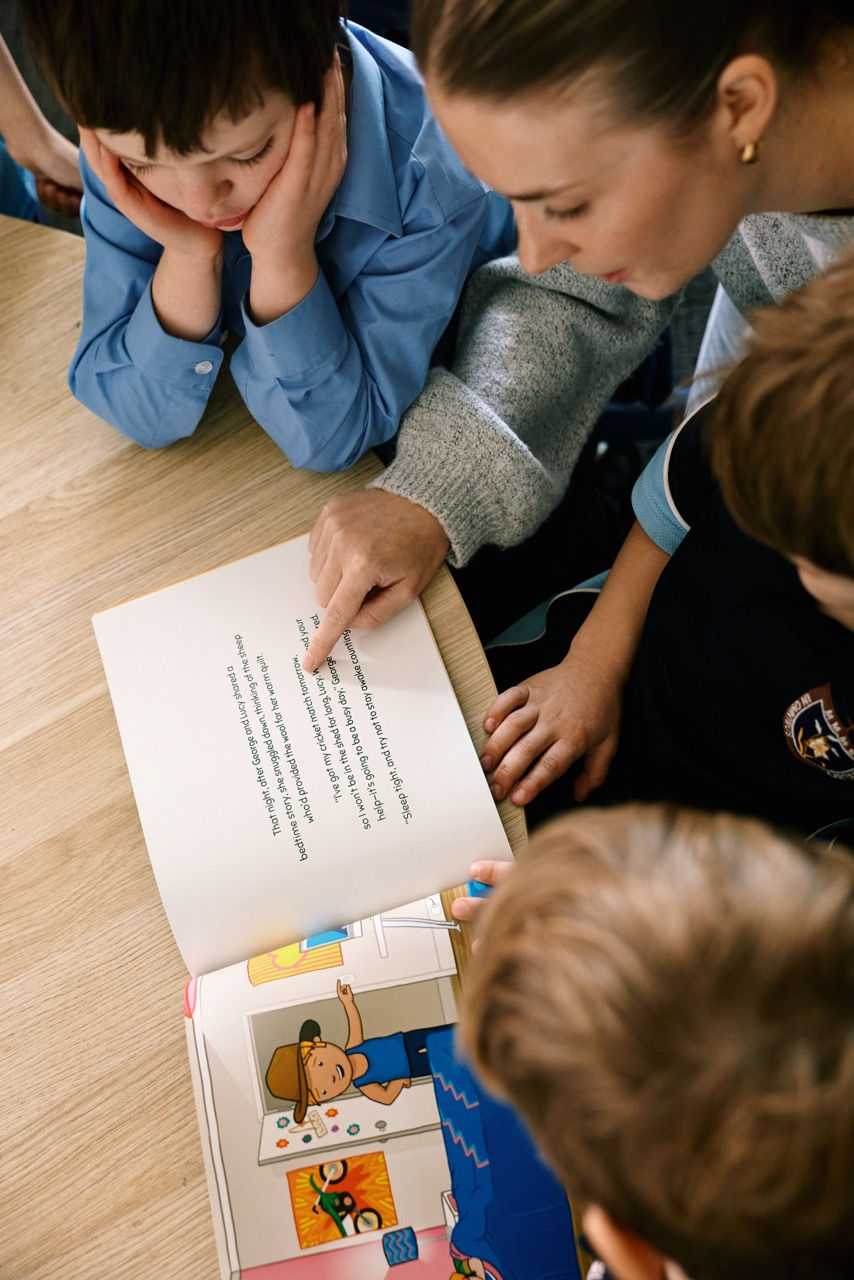
Simone says these results, while concerning, are not surprising, having spent a lot of time with Aussie children of all backgrounds in classrooms over the years since launching her award-winning children's book series and agricultural education platform George the Farmer back in 2014.
"I think the most concerning thing was seeing that 20 per cent thought we could still get food from supermarkets without farmers," she says, speaking with FlowFM's Jessica Dempster on The Country Viewpoint.
“Kids generally are actually interested in farming and food and fibre. They just don't necessarily have the opportunity to come across any learning materials."

Simone says this disconnect between children and farming shouldn't be seen as a failure on either a school's or parent's end, but as an opportunity to come up with new and engaging ways to teach kids about the world of agriculture, even if they're unable to witness or experience the process firsthand.
“I don't think the message is that we've failed in ag education across Australia," she says.
"We've been working on it for a long time, and lots of the research development corporations across Australia have been doing some great work as well."
“I think really it's just saying that there's still work to do. The kids are still interested, and they really just need an opportunity to come across some really fun and educational resources and books about agriculture.”
What started as a fun and bespoke way to entertain and educate her farm-obsessed two-year-old-son - and expand his horizons beyond what he saw his dad and Old MacDonald do - has grown into a national education platform over the past 12 years.
These days, George the Farmer uses its books, free-to-access videos, songs, classroom activities and free curriculum-aligned resources, to help children understand where their food and fibre comes from, reaching more than 750,000 students in Australian primary classrooms, and more than two million children globally.
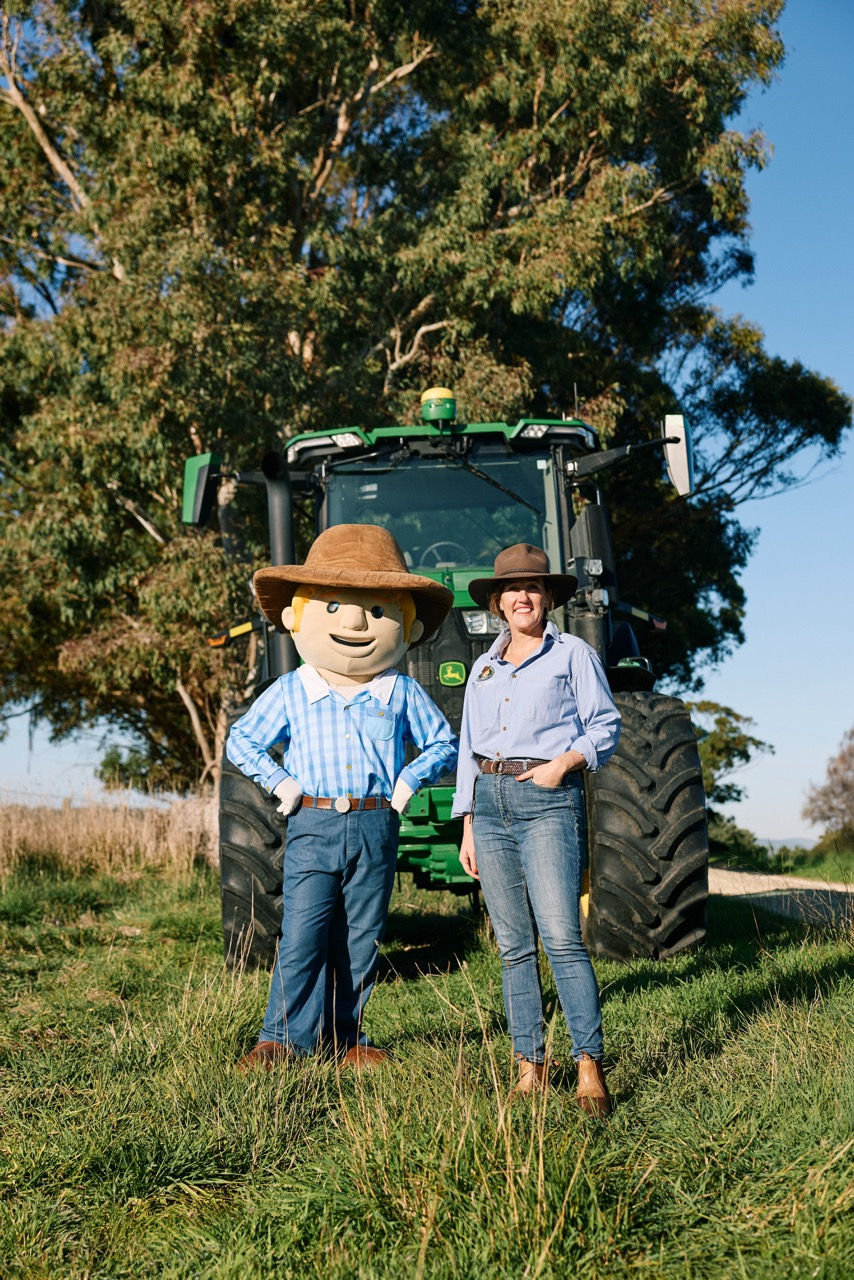
Simone says resources like these - that teach kids about the world of farming from the classroom - are important, as there are a lot of practical reasons why children nowadays might not be able to learn about these processes first hand.
“I think times have changed from where we are, where say 30 or 40 years ago, where people had the opportunity to go out on farms more often," she says.
"There are less people farming now, farms have gotten bigger, and it's harder for kids to get out on the farms and actually see and connect to where food and fibre comes from.”
She says helping children understand the link between farms and their food doesn't always require a classroom lesson or a visit to a farm.
“It’s just as simple as having a little chat," Simone says.
“When you're cooking something in the kitchen, ask them if they know where it's from and have a conversation about it, it doesn't need to be big.”
"Children learn in different ways, so the more touchpoints we can give them, the greater the opportunity to build that connection."

One such “touchpoint” currently in development is the National Schools Food and Fibre Education Strategy, which brings together AgriFutures and 15 rural Research and Development Corporations to improve food and fibre education in Australian schools.
Simone says the strategy is not necessarily about creating more resources, but making sure the ones already available are engaging for children, easy for teachers to use and connected to the curriculum, which in the long term could also help children see the range of career opportunities available across the sector.
“Agriculture isn’t just about becoming a farmer," she says, "we need scientists, engineers, researchers, agronomists, vets, technology specialists, marketers and countless other professions to keep the sector thriving.
“If we want Australia to continue producing world-class food and fibre into the future, children first need an opportunity to understand the industry, connect with it and see themselves as part of it.”
“If we can get this right, we’re not just helping children understand where their food comes from, we’re giving them knowledge that can help them make more informed choices about what they eat, building a generation of more informed consumers, and opening their eyes to the enormous range of careers involved in producing the food and fibre we all rely on.”
To hear the full interview with Simone on this research and what's next for George the Farmer, check out Episode 235 2026 of the Country Viewpoint.


Comments